
There’s something about the start of a new year that makes everything feel possible. Fresh diaries, cleaner inboxes and a natural pause before life gets busy again. It’s also one of the best times to get your finances a little more organised – not perfectly, just enough to make the year ahead feel more manageable and focused.
This isn’t about getting lost in spreadsheets or following rigid rules that limit your spending. It’s about setting up simple foundations early, so you feel in control of your money rather than being reactive.
Get your budget working for you
Budgets get a bad rap, but at their best they’re really just a snapshot of what’s coming in, what’s going out, and what matters most to you.
The beginning of the year is a great time to give yours a quick refresh:
- Are your regular expenses still accurate?
- Has your income changed or become less predictable?
- Are there any big costs coming up that you already know about?
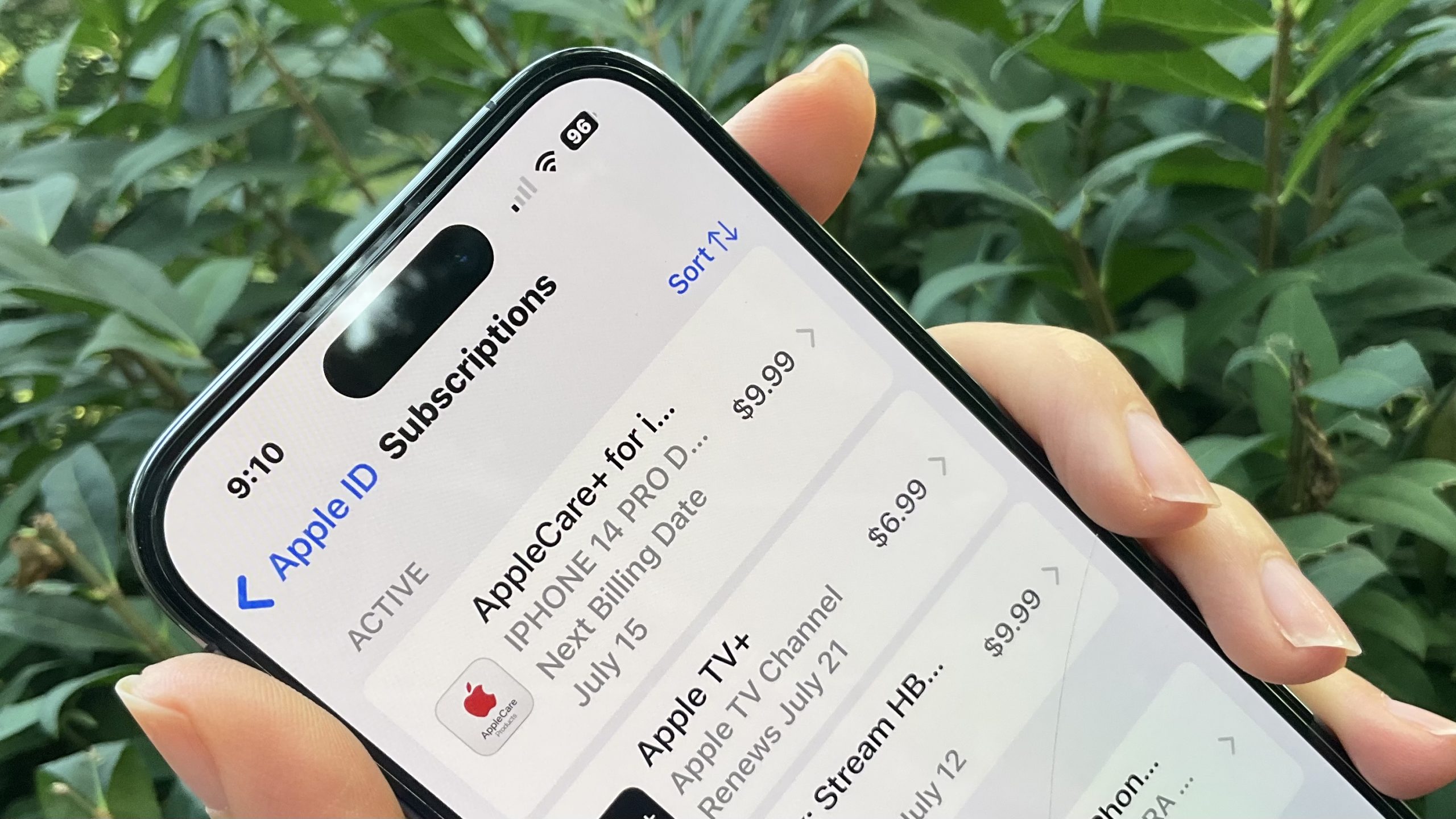
For businesses, this might mean looking at day-to-day operating costs and cash flow expectations. For individuals or families, it could be as simple as adjusting household spending, subscriptions, or savings habits. The goal isn’t restriction – it’s clarity. When you know where your money is going, decisions become easier and less stressful.
Set a few clear, realistic goals
When everything feels like a priority, nothing really is. Instead of trying to overhaul your entire financial life, focus on a small number of goals that will make the biggest difference this year.
That could be:
- Creating more breathing room month to month
- Paying something down that’s been hanging around too long
- Building a buffer so surprises don’t feel so surprising
The key is to keep goals practical and achievable. Progress doesn’t usually come from big, dramatic changes. It comes from small steps done consistently. When your goals line up with how you actually live or run your business, they’re much easier to stick to.
Think ahead to avoid last-minute stress
A lot of financial pressure doesn’t come from money itself, but from timing. Things feel overwhelming when they sneak up on us.
Looking ahead at the year, even loosely, can help you spot pinch points before they arrive. Maybe your income changes seasonally, certain months are always tighter, or there are known expenses that come around like clockwork. Planning for these in advance gives you options and removes that “why didn’t I think of this sooner?” feeling.
When you’re prepared, decisions feel calmer and more confident — not rushed or reactive.
Build simple habits early
What you do in the first few months of the year often sets the tone for the rest of it. The good news? Financial habits don’t need to be complicated to be effective.
Things like:
- Checking in on your numbers regularly
- Keeping records up to date
- Doing a quick review every few months
These small habits make money feel far more manageable over time. Consistency matters far more than perfection. And once systems are in place, they tend to run quietly in the background.
A strong start makes a real difference
Starting the year with a bit of structure around your finances can create a surprising amount of mental space. Whether you’re focused on growing a business, feeling more in control personally, or simply wanting fewer money-related surprises, a strong start gives you flexibility and confidence as the year unfolds.
A little effort now can make the rest of 2026 feel more balanced, more intentional, and a whole lot less stressful.